
Department for Health and Social Care Backs Physical Activity Guidelines

Health and social care providers are being urged to reshape how they talk about fitness, as the UK Chief Medical Officers (CMOs) issue a comprehensive framework for the national physical activity guidelines.
The framework, supported by the Department for Health and Social Care, moves away from the rigid idea that exercise only counts if it is structured or exhausting. Instead, the overriding message is clear: every movement counts, and the most profound health transformations happen when someone moves from doing nothing to doing even a little bit of light activity each day.
The Life-Stage Guidelines at a Glance
The guidance outlines specific, tailored benchmarks across four primary life stages, emphasizing a balance of aerobic movement, muscle strengthening, and a reduction in sedentary time.
1. Early Years (Under 5s)
For infants, toddlers, and preschoolers, physical activity is essential for basic motor development and healthy growth.
-
Infants (Under 1 year): Should be physically active several times a day in various ways, particularly through interactive floor-based play. For those not yet mobile, this must include at least 30 minutes of tummy time spread across the day while awake.
-
Toddlers and Preschoolers (1 to 4 years): Should accumulate at least 180 minutes (3 hours) of physical activity a day spread throughout the day. For children aged 3 to 4, this block should ideally include at least 60 minutes of moderate-to-vigorous intensity activity.
2. Children and Young People (5 to 18 Years)

To foster lifelong health habits, youth require a blend of cardio and structural growth exercises.
-
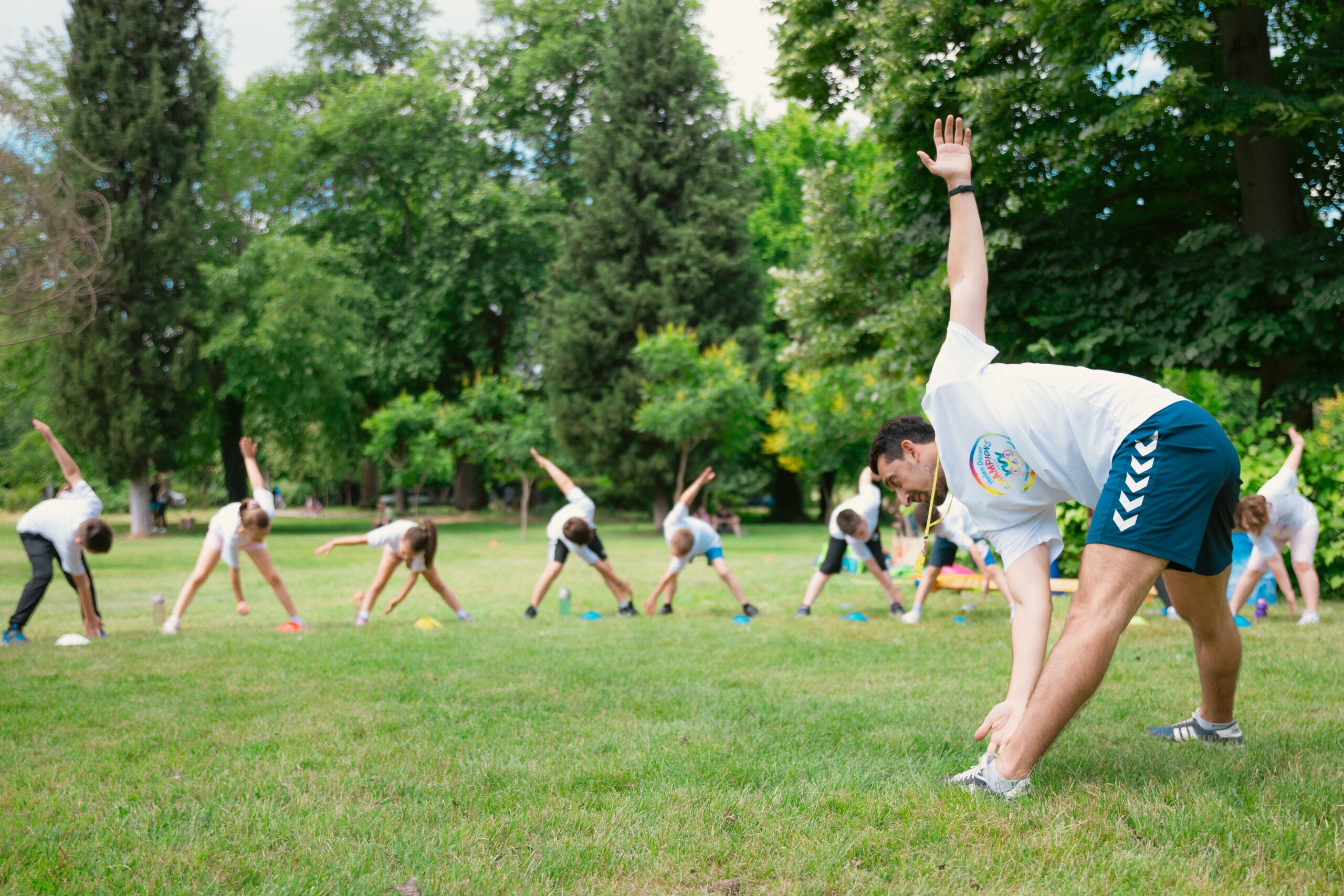
Daily Target: Children should aim for an average of at least 60 minutes of moderate-to-vigorous intensity physical activity every day across the week. This can include PE classes, active travel (like walking or cycling to school), playground games, and sports.
-
Weekly Variety: They should engage in a variety of activities across the week that actively develop movement skills, build muscular fitness, and enhance bone strength (e.g., gymnastics, jumping, or martial arts).
-
Note: For children and young people living with a disability, the guidance recommends a highly beneficial target of 20 minutes of daily activity, alongside strength and balance exercises 3 times a week.
3. Adults (19 to 64 Years)

For working-age adults, the focus is on maintaining systemic health and combating the hazards of modern desk-bound lifestyles.
-
Weekly Target: Adults should aim to be active daily, building up to at least 150 minutes of moderate-intensity activity (such as brisk walking, heavy gardening, or cycling) OR 75 minutes of vigorous activity (like running or swimming laps) per week.
-
Strength Work: They must perform activities designed to maintain or increase strength in major muscle groups on at least 2 days a week.
-
Sedentary Warning: The guidelines explicitly instruct adults to minimize prolonged periods of sitting or lying down, breaking up sedentary time with light movement.
4. Older Adults (65 Years and Older)

For older generations, physical activity is directly tied to preserving autonomy and preventing frailty.
-
Weekly Target: Older adults should maintain the same volume as younger adults, aiming for 150 minutes of moderate-intensity activity a week, built up gradually according to capability.
-
Functional Focus: On at least 2 days a week, they should prioritize varied activities that specifically incorporate muscle strength, balance, and flexibility. This is vital for maintaining coordination and reducing the risk of unexpected falls.
-
Light Movement Matters: Simply standing up and breaking up periods of sitting with light household mobility provides distinct cardiovascular benefits in this age demographic.
Why the Guidelines Matter: The Scientific Support
The Department for Health and Social Care and the UK CMOs emphasize these targets because a vast, evolving body of scientific evidence has strongly validated them. Three crucial scientific insights underpin this approach:
The Prevention Principle: Medical data shows that regular physical activity acts as a powerful preventative treatment, drastically lowering the incidence of coronary heart disease, type 2 diabetes, obesity, and stroke. Furthermore, prolonged sitting is now clinically recognized as an independent risk factor for cardiovascular mortality, meaning long periods of immobility are harmful even to those who exercise regularly.
-
The Power of the First Step: Advanced clinical research shows that the steepest health improvements occur when moving from complete inactivity to a small amount of light activity. Every extra block of movement—even 5 or 10 minutes of walking to the shops—accumulates health benefits. The 150-minute recommendation is an optimal target, not a barrier to entry.
-
The Crucial Role of Resistance Training: Clinical data highlights that strength training is not just for fitness enthusiasts; it is essential to delay the natural decline in muscle mass and bone density that accelerates with age. Additionally, clinicians note that for patients taking modern GLP-1 weight-management medications, routine resistance training is vital to protect skeletal muscle mass during rapid weight reduction.
-
Mental Health and Neurodevelopment: In children, regular movement is structurally linked to improved cognitive development, enhanced motor skills, and better academic focus. Across all age brackets, physical activity is scientifically shown to drastically reduce stress hormones, alleviate symptoms of social isolation, and substantially boost overall psychological wellbeing.
Health and social care professionals are encouraged to use these inclusive guidelines as a primary tool for patient education, ensuring that individuals understand that any addition of daily movement is a victory for their long-term health.
The new guidelines can be found here: