
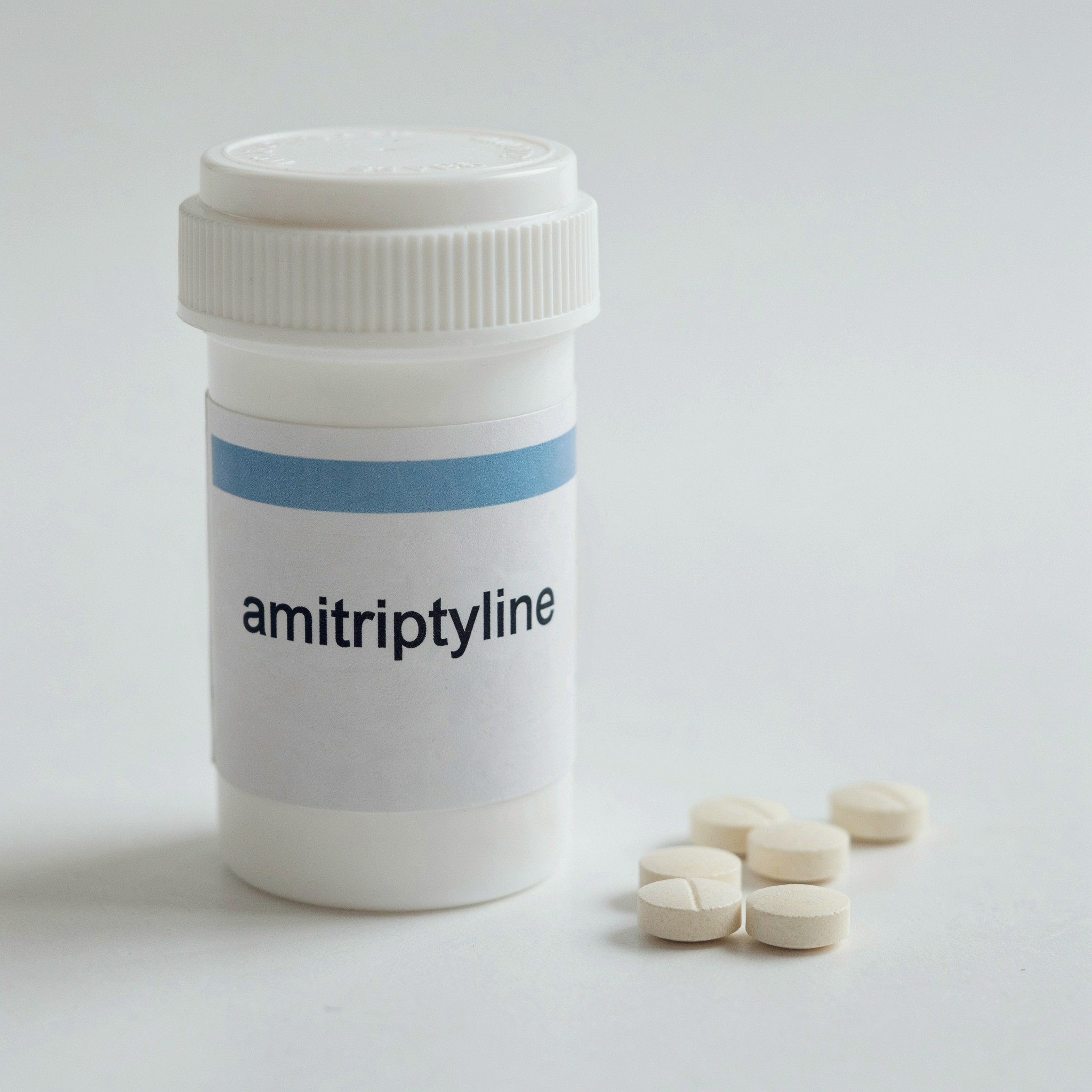
NHS Issues Urgent Guidance on Amitriptyline Side Effects Impacting Eye Health
Healthcare professionals, social care workers, and family carers are being urged to monitor individuals taking amitriptyline following highlighted NHS safety advice regarding key symptoms affecting the eyes.
While amitriptyline is widely prescribed and safe for most people, certain side effects involving the eyes require urgent medical evaluation to prevent long-term complications.
What is Amitriptyline Prescribed For?
Amitriptyline is a tricyclic antidepressant (TCA). While originally developed to treat depression, lower doses are now most commonly prescribed for:
-
Chronic pain relief: Including nerve pain (neuropathy), fibromyalgia, and back pain.
-
Migraine prevention: To reduce the frequency and severity of attacks.
-
Depression: Higher doses are used for major depressive disorder.
-
Sleep difficulties: Off-label prescribing to improve sleep quality associated with chronic pain conditions.
Key Eye Symptoms to Watch For
The NHS highlights specific ocular symptoms that require immediate action:
| Symptom | Potential Underlying Issue | Action Required |
| Whites of the eyes (or skin) turn yellow | Potential sign of liver dysfunction or jaundice. (Note: Yellowing may be less obvious on brown or black skin). | Call NHS 111 or contact a GP urgently. |
| Eye pain, changes in eyesight, or swelling/redness in or around the eye | May indicate elevated intraocular pressure or acute glaucoma, which can be triggered by tricyclic antidepressants. | Call NHS 111 or contact a GP urgently. |
Important Clinical Note: Carers and staff should never stop a patient’s medication abruptly without medical guidance. Stopping amitriptyline suddenly can trigger withdrawal symptoms such as severe restlessness, nausea, and sleep disturbances.

Action Plan for Care Workers, Staff, and Families
If a person receiving care presents with any of the eye symptoms listed above:
-
Do not ignore the symptom: Eye pain or yellowing should not be dismissed as fatigue or minor irritation.
-
Contact NHS 111 or a GP immediately: Clearly inform the practitioner that the individual is taking amitriptyline.
-
Check for Red Flag Signs (Call 999): Seek emergency care immediately if eye symptoms are accompanied by:
-
Severe chest pain
-
Signs of a stroke (facial weakness, difficulty speaking, sudden vision loss)
-
Seizures or fits
-
Severe allergic reaction (swelling of lips/tongue, difficulty breathing, widespread rash)
-
Other Side Effects of Amitriptyline
Care providers should remain aware of the full profile of common and serious side effects associated with the drug.
Common Side Effects
These affect more than 1 in 100 people and usually settle after a few weeks:
-
Dry mouth
-
Drowsiness, daytime fatigue, or feeling sluggish
-
Dizziness or lightheadedness when standing up
-
Constipation
-
Difficulty urinating
-
Headaches

Other Serious Side Effects (Require Urgent Advice)
-
Fast or irregular heartbeat (palpitations)
-
Low sodium levels: Manifesting as persistent confusion, weakness, or severe muscle cramps
-
Severe constipation combined with abdominal swelling and vomiting
-
Suicidal thoughts or sudden mood shifts: Particularly when starting the medication or altering doses.