Regular muscle-strengthening exercise—for as little as 90 minutes to two hours per week—is linked to a substantially lower risk of dying early. Research published in the British Journal of Sports Medicine reveals that incorporating resistance training into weekly routines delivers major longevity benefits, particularly when combined with traditional aerobic activity like walking or cycling.
For individuals receiving care, family carers, and social care providers, the findings highlight the critical role that simple, accessible strength-based exercises play in maintaining physical independence and long-term health.

What Were the Key Findings?
The observational study followed nearly 150,000 participants over three decades. Researchers evaluated long-term exercise habits and compared mortality rates across various health conditions. Key takeaways include:
-
Lower Overall Mortality: Engaging in 90 to 120 minutes of strength training per week was associated with a 13% lower risk of early death from any cause compared to doing no strength training.
-
Cardiovascular & Neurological Protection: Participants completing up to two hours of weekly strength exercise experienced a 19% lower risk of death from cardiovascular disease and a 27% lower risk of death from neurological conditions such as dementia.
-
The “Sweet Spot”: Benefits tended to level off after two hours per week, meaning individuals do not need to spend long hours in a gym to gain maximum health advantages.
-
Combining Cardio and Strength: The greatest protective effect occurred when strength training was paired with regular aerobic exercise (around 150 minutes of moderate activity per week), reducing early death risk by up to 45%.
How Does Strength Training Reduce the Risk of Early Death?
Muscle-strengthening exercises improve longevity through several biological and physiological mechanisms:
-
Metabolic Regulation: Resistance training increases muscle mass, which acts as the body’s primary sink for glucose. This improves insulin sensitivity, lowers blood pressure, and helps prevent or manage type 2 diabetes and metabolic syndrome.
-
Cardiovascular Function: Building muscle reduces systemic arterial stiffness and inflammation, which lowers baseline heart rate and strains on the heart.
-
Brain Health & Neuroprotection: Muscle contraction releases growth factors (such as BDNF) that promote brain elasticity, stimulate blood flow to the brain, and help protect against cognitive decline and neurological conditions.
-
Preserving Mobility and Independence: Maintaining muscle tone and bone density prevents sarcopenia (age-related muscle loss) and frailty. Stronger lower-body and core muscles significantly improve balance, drastically cutting the risk of life-threatening falls in older adults.
Accessible Examples of Strength Training
Strength training does not require heavy weights or specialized gym equipment. It can be adapted to suit all abilities, including individuals receiving care at home or in residential settings:
Bodyweight & Functional Exercises
-
Chair Stands (Sit-to-Stand): Rising from a sturdy dining chair without using hands, then slowly lowering back down.
-
Wall Push-ups: Standing a foot away from a wall and pushing away using upper body strength.
-
Step-ups: Safely stepping onto a low bottom stair or step platform.
Household & Light Equipment
-
Resistance Bands: Using elastic bands for seated row motions, leg extensions, or arm pulls to build controlled muscle resistance.
-
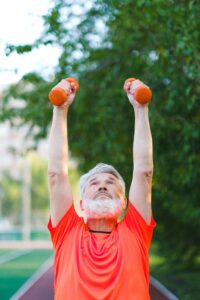
Weighted Household Items: Using tin cans, water bottles, or light dumbbells for arm curls and shoulder presses.
-
Seated Leg Lifts: Straightening one leg at a time while seated in a supportive chair to strengthen the quadriceps.
Overall Benefits for Care Settings and Families
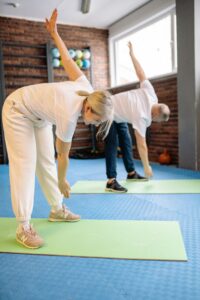
For care organisations and family carers, embedding strength and movement into daily routines brings benefits that extend beyond physiological health:
-
Enhanced Quality of Life: Greater physical strength helps individuals perform basic daily tasks—such as dressing, bathing, and getting out of bed—with less fatigue and greater confidence.
-
Fall Prevention: Leg and core strength directly reduce fall incidents, which remain one of the primary drivers of emergency hospital admissions among older adults.
-
Ease of Daily Care: When individuals retain functional strength, physical transfers and mobility support become safer and less demanding for family members and care staff.
-
Mental Wellbeing: Resistance exercise stimulates mood-boosting neurotransmitters, reducing symptoms of anxiety, low mood, and apathy.
Care providers and families are encouraged to consult a GP or qualified physiotherapist before starting a new exercise regimen to ensure activities are tailored safely to the individual’s current health status and mobility levels.