

NHS Launches Home Cervical Screening Kits to Boost Access and Save Lives
The NHS has rolled out a major new initiative offering at-home human papillomavirus (HPV) self-testing kits. This service allows eligible individuals to collect a vaginal sample privately using a simple swab and mail it back free of charge.
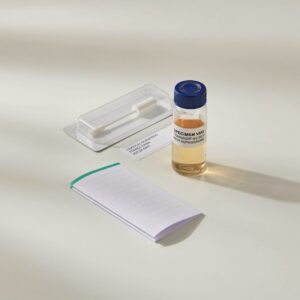
Why the NHS is Taking Action This action aims to tackle persistently low screening uptake rates, with only about 68.8% of eligible individuals currently up to date—falling well short of the 80% NHS target. Around four million people are missing these routine checks, leaving them vulnerable to preventable cancers. By introducing a convenient alternative, health leaders hope to drastically increase early detection and support the national ambition to eliminate cervical cancer.
Who Is Being Targeted The initial rollout focuses on individuals aged 30 to 65 who have not attended regular cervical screening following previous clinic-based invitations. Eligible participants receive notifications via the NHS App, text messages, emails, or letters, allowing them to securely order a free kit online.
Common Barriers to Screening Traditional clinic appointments can present significant obstacles for many people. Frequently reported barriers include:
-
Embarrassment and privacy concerns: Feeling uneasy about physical examinations.
-
Discomfort or fear of pain: Anxiety regarding the speculum examination.
-
Practical difficulties: Busy schedules, lack of flexible appointment times, or caring responsibilities.
-
Psychological or cultural factors: Previous trauma, language barriers, or stigma within certain communities.
Signs and Symptoms of Cervical Cancer Screening is designed for people without symptoms, but it is vital to recognize the warning signs of cervical cancer. Anyone experiencing these symptoms should contact a GP immediately rather than waiting for a screening invitation:
-
Unusual vaginal bleeding (between periods, during or after sex, or after menopause)
-
Changes to vaginal discharge
-
Pain or discomfort during sex
-
Unexplained lower back or pelvic pain

The Importance of Screening Almost all cervical cancer cases are linked to high-risk strains of HPV. Screening detects this virus and identifies early cellular changes before they have a chance to develop into cancer. While clinician-led appointments remain the clinical standard, these home testing kits serve as a vital bridge to ensure everyone can access life-saving preventative care.