
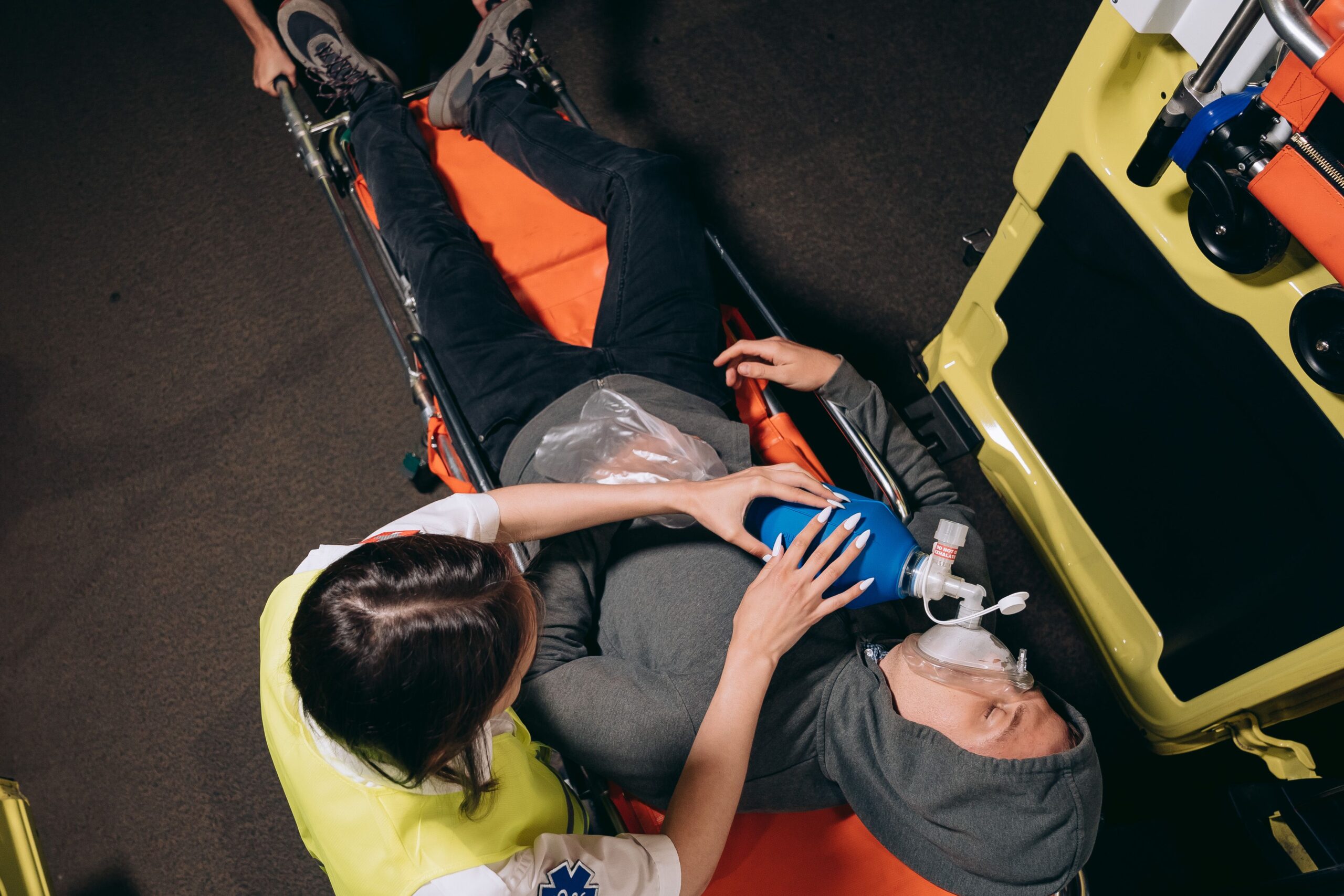
The ABCDE Approach to Treating Critically Ill Patients
In acute care, community settings, and residential care environments, the rapid identification and treatment of a deteriorating or critically ill patient is crucial. The ABCDE approach—standing for Airway, Breathing, Circulation, Disability, and Exposure—is the standardized, structured assessment framework recommended across the UK to keep patients alive, prevent further clinical decline, and buy vital time for definitive treatment.
Who Uses the ABCDE Approach?
The ABCDE framework is universal. It is designed to be used by all clinicians and care personnel, regardless of specialty or setting, including:
-
Registered Nurses & Healthcare Assistants (HCAs): In acute hospital wards, care homes, and community nursing services to systematically evaluate vital signs and initiate life-saving interventions.
-
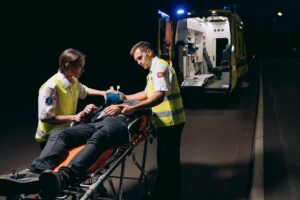
Paramedics & First Responders: For pre-hospital triage, rapid stabilization, and transport.
-
Doctors, Consultants, & Advanced Clinical Practitioners (ACPs): Across emergency departments, intensive care units, and general medical/surgical wards during acute deteriorations.
The 5 Stages of the ABCDE Assessment
The core rule of ABCDE is simple: assess and treat life-threatening problems sequentially before moving to the next stage, reassessing regularly whenever a patient’s condition changes.
  ┌─────────────────────────────────────────┐
  │  A - AIRWAY                             │  Ensure airway patency
  ├─────────────────────────────────────────┤
  │  B - BREATHING                          │  Check respiratory effort & oxygenation
  ├─────────────────────────────────────────┤
  │  C - CIRCULATION                        │  Evaluate blood pressure, pulse & perfusion
  ├─────────────────────────────────────────┤
  │  D - DISABILITY                         │  Assess neurological status (AVPU / Glucose)
  ├─────────────────────────────────────────┤
  │  E - EXPOSURE                           │  Full examination while maintaining dignity
  └─────────────────────────────────────────┘
1. A – Airway
-
Objective: Ensure oxygen can enter the lungs unobstructed.
-
Key Actions: Assess if the patient can speak normally (a normal voice indicates a patent airway). Look for signs of partial or complete obstruction, such as noisy breathing (stridor, gurgling, snoring) or paradoxical “see-saw” movements of the chest and abdomen.
-
Interventions: Apply simple airway opening maneuvers (head-tilt/chin-lift or jaw thrust), suction fluids, or insert basic airway adjuncts if trained.
2. B – Breathing
-
Objective: Verify adequate ventilation and oxygen exchange.
-
Key Actions: Count the respiratory rate (a rate over 25 breaths/min is a strong warning sign of critical illness), measure oxygen saturations via pulse oximetry, and inspect chest movement symmetry.
-
Interventions: Administer high-flow oxygen where indicated and position the patient to optimize breathing mechanics.
3. C – Circulation
-
Objective: Evaluate cardiovascular effectiveness and tissue perfusion.
-
Key Actions: Check capillary refill time (normally under 2 seconds), assess pulse rate and quality (peripheral vs. central), feel limb temperature, and take a manual or automated blood pressure reading.
-
Interventions: Elevate legs for hypotension if appropriate, obtain emergency IV access, or call for urgent fluid resuscitation support.
4. D – Disability
-
Objective: Rapidly assess central nervous system function and neurological status.
-
Key Actions: Use the AVPU scale (Alert, Responds to Voice, Responds to Pain, Unresponsive) or Glasgow Coma Scale (GCS). Always check blood glucose levels to rule out hypoglycemia as a cause of altered consciousness.
-
Interventions: Administer glucose therapy if hypoglycemic, protect the patient’s posture, and escalate rapidly for sudden loss of consciousness.
5. E – Exposure
-
Objective: Conduct a complete physical inspection while preserving patient warmth and dignity.
-
Key Actions: Examine the patient top-to-toe for hidden signs of illness, such as rashes (e.g., anaphylaxis or sepsis), bleeding, surgical wounds, trauma, or pressure injuries.
-
Interventions: Keep the patient warm with blankets to avoid hypothermia and gather relevant medical documentation or handover details.
Practical Takeaways for Care Teams
-
Call for help early: Recognize when a patient is beyond your scope of practice and activate emergency assistance (e.g., calling 999 or triggering a hospital crash/medical emergency team).
-
Re-assess regularly: Any time a treatment is given or a patient’s condition alters, go back to A and work through the steps again.
-
Structured Handover: Use standardized tools like SBAR (Situation, Background, Assessment, Recommendation) when handing over to emergency or medical personnel.
Official Guidelines & Further Reading
For full details, printable flowcharts, and official guidance on managing acute medical emergencies using this protocol, visit the official Resuscitation Council UK ABCDE Approach Guidelines.