Schools Face Mandatory Allergy Safety Rules Under ‘Benedict’s Law’
New statutory guidance and allergy safety duties—commonly known as Benedict’s Law—come into effect across schools in England. Introduced via the Children’s Wellbeing and Schools Act alongside dedicated Department for Education (DfE) guidance, the measures replace voluntary best practices with legally binding requirements aimed at protecting allergic pupils.
The Tragic Origins: The Death of Benedict Blythe
Benedict’s Law is named in memory of five-year-old Benedict Blythe, who died in December 2021 after suffering a severe allergic reaction while at school. Benedict had known severe allergies to milk and other foods. On the day of his collapse, he was mistakenly given a product containing cow’s milk.
Subsequent investigations into his death uncovered systemic gaps in emergency preparedness:
-
Staff were unaware of or unclear on his Individual Healthcare Plan (IHP).
-
Allergy policies were inconsistently implemented.
-
Staff lacked the practical training necessary to rapidly identify anaphylaxis and administer life-saving treatment.
Following his death, Benedict’s parents launched the Benedict Blythe Foundation, campaigning for mandatory allergy protections to prevent similar tragedies.
Statutory Requirements: What Schools Must Put in Place
Under the new guidance, responsibility for allergy safety moves beyond designated first-aiders or school nurses to become a whole-school duty. Maintained schools and academies must implement several key controls:
-
Standalone Allergy Safety Policy: Schools can no longer rely on a general medical conditions document. They must write, maintain, and publish an allergy safety policy on their public website.
-
Universal Staff Training: Mandatory, annual allergy awareness and emergency response training must be provided to all staff members—including teachers, teaching assistants, lunchtime supervisors, caretakers, and minibus drivers.
-
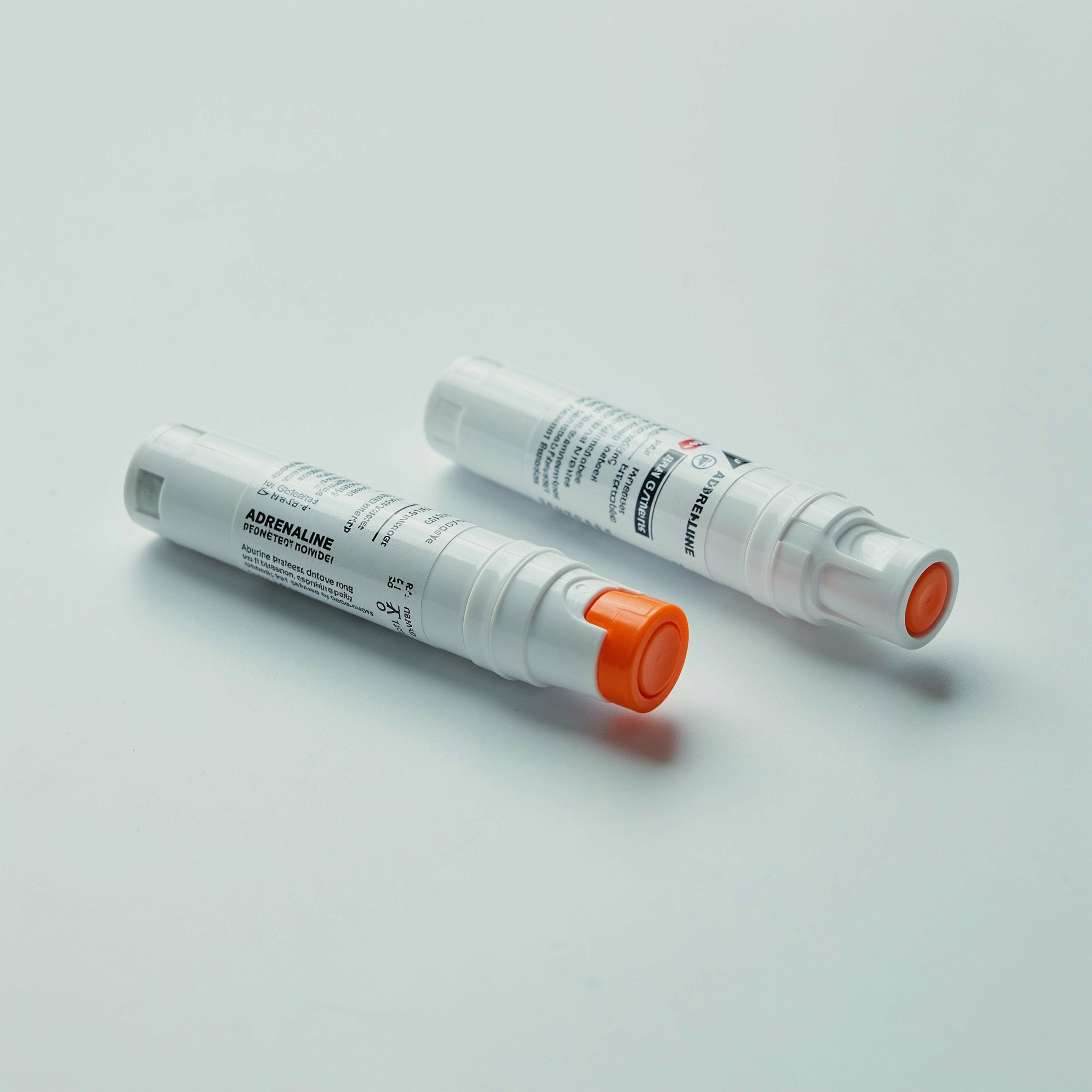
Emergency Adrenaline Auto-Injectors (AAIs): Schools are required to keep stock spare AAIs (such as EpiPens, Jext, or Emerade) on site. These are separate from a pupil’s individual prescription and can be administered to any child or adult experiencing anaphylaxis.
-
5-Minute Accessibility Rule: AAIs must be placed in central, unlocked locations ensuring they can be accessed within five minutes anywhere on school grounds.
-
Individual Healthcare Plans (IHPs): Formal IHPs and Allergy Action Plans must be maintained for every pupil with an identified allergy, outlining personal triggers, symptoms, and medical steps.
-
Incident & Near-Miss Reporting: Schools must establish logging systems for allergic reactions and near-misses to identify risks in catering, activities, or curriculum delivery.

Practical Training Requirements
To ensure staff react confidently during a sudden crisis, training must combine theoretical understanding with hands-on practical experience.
Practical training programs must ensure staff can:
-
Distinguish Mild vs. Severe Symptoms: Recognize early signs (hives, swelling, tummy pain) versus life-threatening anaphylaxis (airway swelling, hoarseness, breathing difficulties, confusion, or collapse).
-
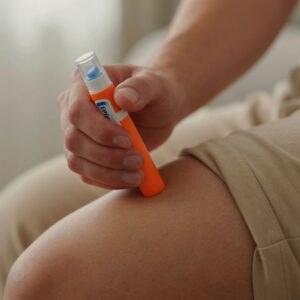
Handle Auto-Injector Trainers: Staff must practice using dummy/trainer devices to master positioning, removing safety caps, pressing firmly into the outer thigh, and holding the device in place.
-
Perform Emergency Protocols: Training covers immediate 999 response procedures, laying the patient flat (or sitting them up if breathing is difficult), monitoring airway changes, and administering a second AAI after 5 minutes if symptoms do not improve.
-
Run Allergy Drills: Schools are encouraged to carry out response drills to verify that spare AAIs can be fetched and brought to classrooms, sports fields, or dining halls within the required 5-minute threshold.